

The Delight of a Banjar Cake “Submerged” in the Sweetness of Palm Sugar
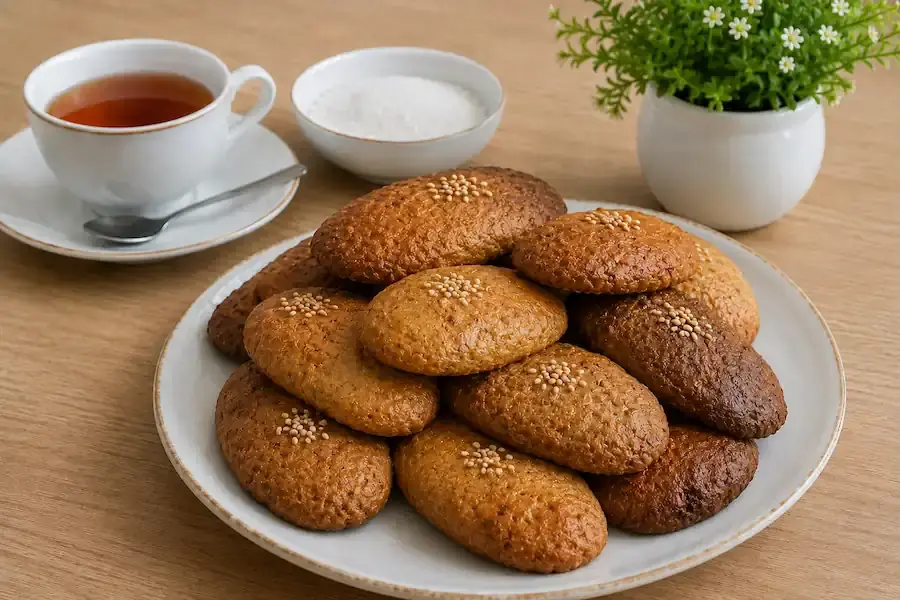
Among the dozens of varieties of wadai, or traditional Banjar cakes, there is one name that often sparks curiosity the first time people hear it: Wadai Bingka Berandam.
For those already familiar with Bingka, a simple question may arise: why is there the word berandam attached to its name? Is it a different type of Bingka, or merely a variation in presentation?
The answer is actually one of the reasons this cake is so unique. While traditional Bingka is known as a soft cake baked until golden brown, Bingka Berandam offers an entirely different experience.
After the cake is fully cooked, it is not served immediately. Instead, it is soaked in a fragrant palm sugar syrup enriched with aromatic spices.
It is this soaking process that creates the distinctive flavor that has earned Bingka Berandam a special place in the hearts of the Banjar people.
What Is Wadai in Banjar Culture?
In Banjar culture, the term wadai refers to cakes or traditional snacks. However, its meaning extends far beyond that of an ordinary treat.
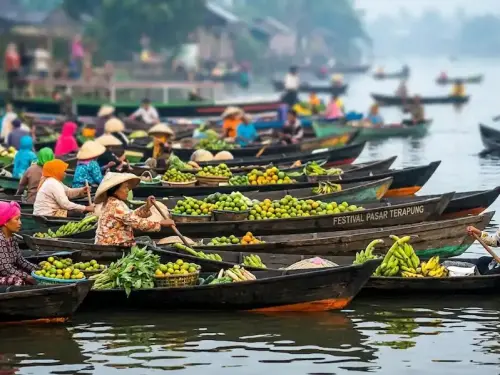
Wadai is an important part of social life in South Kalimantan. Traditional cakes are always present at family gatherings, weddings, thanksgiving ceremonies, community celebrations, and religious events.
The Banjar people even have a well-known tradition called 41 macam wadai (41 varieties of traditional cakes), in which dozens of different cakes are served at special occasions as a symbol of respect for guests and as a way of preserving cultural heritage.
Bingka Berandam is one of the legendary members of this traditional wadai collection. Although it may not be as nationally famous as Potato Bingka or Amparan Tatak, many Banjar people consider it one of the most special traditional cakes of all.
Why Is It Called “Berandam”?
In the Banjar language and classical Malay, the word berandam roughly means “to soak” or “to be immersed.”
The name directly describes the way this cake is served.
Unlike ordinary Bingka, which is served dry after baking, Bingka Berandam is first cut into pieces and then soaked in palm sugar syrup that has been cooked together with selected spices.
This process allows the cake to absorb some of the sweet liquid, resulting in a softer texture and a much richer flavor.
With every bite, the first sensation is not only the signature softness of Bingka, but also an explosion of sweetness from the palm sugar syrup that has seeped into the cake.
This is what makes Bingka Berandam feel so different from other Bingka varieties.
A Culinary Heritage Preserved Through Banjar Tradition
Like many other traditional Banjar wadai, Bingka Berandam is part of a culinary heritage that has been passed down from generation to generation.
The Banjar people are known for their rich culinary culture, especially when it comes to traditional cake-making. Many recipes have been preserved through oral tradition and hands-on practice within family kitchens.
Bingka Berandam is a perfect example of how the Banjar community has creatively developed new variations from existing recipes.
While traditional Bingka relies on its soft texture and the savory-sweet flavor of coconut milk and eggs, Bingka Berandam takes the concept a step further by adding a generous amount of palm sugar syrup.
The result is a cake with deeper flavors and a distinctive character all its own.
Simple Ingredients That Create Extraordinary Flavor
One of the most fascinating aspects of Bingka Berandam is the simplicity of its ingredients.
The cake batter is made from wheat flour, granulated sugar, eggs, salt, and vanilla. There are no rare ingredients or overly complicated techniques involved.
However, like many traditional recipes, the deliciousness of Bingka Berandam depends not only on its ingredients but also on the balance of flavors and the preparation process.
The true secret lies in its soaking syrup.
The syrup is made from a mixture of water, palm sugar, pandan leaves, and cloves. When simmered together, these ingredients produce a remarkably distinctive aroma.
Palm sugar provides a deep and rich sweetness. Pandan leaves contribute a soothing fragrance, while cloves add a subtle touch of spice that gives the syrup a more complex flavor profile.
As the syrup is absorbed into the soft Bingka cake, it creates a memorable combination of flavors that is difficult to forget.
An Irresistibly Rich Sweetness
If there is one word most commonly used by the Banjar people to describe Bingka Berandam, it is richly sweet.
Yet this sweetness is far more than ordinary sugariness.
The flavor of Bingka Berandam unfolds in several layers. First comes the gentle sweetness of the Bingka itself, followed by the deeper and more robust sweetness of palm sugar. The aromas of pandan and cloves add further depth, making every bite flavorful and never monotonous.
The cake's soft texture also plays a major role in the overall experience. Because it has been soaked, the interior becomes moister and more flavorful than traditional Bingka.
Many people admit that it is difficult to stop after eating just one piece. The sweetness is certainly pronounced, but that is precisely what makes Bingka Berandam so appealing.
A Ramadan Favorite
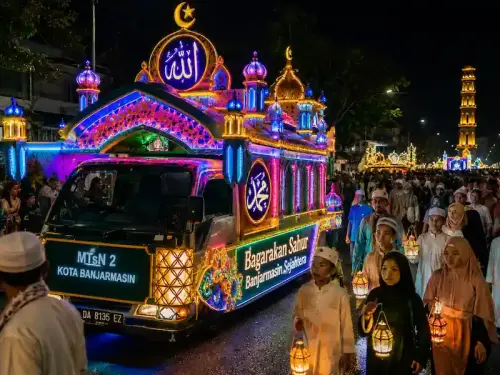
If there is one time of year when Bingka Berandam is easiest to find, it is during the holy month of Ramadan.
In traditional wadai markets throughout South Kalimantan, this cake becomes one of the most sought-after treats as the time for breaking the fast approaches.
The Banjar community has a deep appreciation for sweet foods as takjil , and Bingka Berandam fulfills everything people look for in an iftar delicacy: it is soft, filling, and packed with flavor.
After a full day of fasting, the sweetness of palm sugar helps restore energy quickly. Its tender texture also makes it easy and enjoyable to eat before moving on to the main meal.
It is no surprise that many Banjar families feel that Ramadan would not be complete without Bingka Berandam on the table at iftar.
A Seasonal Treat That Is Always Missed
Unlike some other traditional wadai that can be found throughout the year, Bingka Berandam is generally much easier to find during Ramadan.
Outside of the fasting month, it is usually available only through special orders or at selected shops that continue to preserve traditional production methods.
This relative rarity is exactly what makes Bingka Berandam so eagerly anticipated. Many people look forward to Ramadan not only for its spiritual atmosphere but also for the opportunity to once again enjoy traditional cakes that rarely appear during the rest of the year.
Bingka Berandam has become one of the symbols of that anticipation and longing.
More Than Just a Sweet Cake
Ultimately, Wadai Bingka Berandam is about far more than flour, eggs, or palm sugar.
It is a part of Banjar cultural identity, kept alive through culinary traditions. Within every piece lies a story of families gathering before breaking their fast, of bustling wadai markets during Ramadan, and of treasured recipes passed down through generations with pride.
The cake also reflects the creativity of the Banjar people in developing traditional cuisine. From the classic Bingka emerged Bingka Berandam, a variation with a unique character that has been cherished by generations.
And as long as the aromas of palm sugar, pandan, and cloves continue to rise from the kitchens of South Kalimantan, Bingka Berandam will remain one of the sweetest, warmest, and most beloved gems of Banjar culinary heritage.